What Office Design Trends Will Shape Workspaces in 2027?
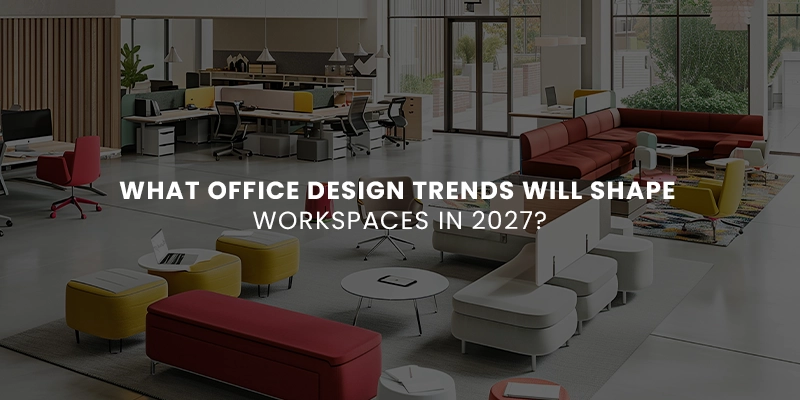
The modern workplace is evolving faster than ever. As businesses continue to embrace hybrid work, employee well-being, sustainability, and smart technologies, office design is shifting from traditional layouts to experience-driven environments. In 2027, offices will no longer be viewed as just places to work—they will become collaborative hubs that foster innovation, strengthen company culture, and enhance employee productivity.
Organizations are investing in office spaces that prioritize flexibility, wellness, technology, and sustainability to meet the expectations of today's workforce. Whether you're planning a new office or upgrading an existing workspace, understanding the latest office design trends can help create an environment that supports long-term business success.
Why Does Office Design Matter More Than Ever?
Office design directly influences employee performance, workplace satisfaction, and business efficiency.
A well-designed office helps businesses:
- Improve employee productivity
- Encourage collaboration
- Strengthen company culture
- Enhance employee well-being
- Attract top talent
- Improve client experience
- Support business growth
Modern office spaces are becoming strategic assets rather than simply operational necessities.
Will Flexible Workspaces Become the New Standard?
As hybrid work models continue to evolve, flexibility will remain a top priority.
Modern offices will include:
- Modular workstations
- Multi-purpose work areas
- Hot-desking solutions
- Collaborative zones
- Quiet focus rooms
- Adaptable meeting spaces
Flexible layouts allow businesses to accommodate changing workforce requirements while maximizing space utilization.
How Is Smart Technology Transforming Office Design?
Technology will continue transforming workplace operations in 2027.
Smart office features include:
- AI-powered meeting room scheduling
- Occupancy sensors
- Smart lighting systems
- Contactless access control
- IoT-enabled building management
- Automated climate control
These technologies improve operational efficiency while creating a seamless employee experience.
Can Office Design Improve Employee Well-Being?
Businesses increasingly recognize that employee well-being directly impacts productivity and retention.
Future workplaces will prioritize:
- Wellness rooms
- Meditation spaces
- Fitness facilities
- Indoor greenery
- Ergonomic furniture
- Natural lighting
Healthy work environments help employees remain engaged, motivated, and productive.
Why Is Sustainable Office Design Gaining Momentum?
Environmental responsibility is becoming a key factor in commercial real estate.
Modern offices are adopting:
- Energy-efficient lighting
- Green building materials
- Water-saving fixtures
- Waste reduction systems
- Solar energy solutions
- Smart energy management
Sustainable office design supports ESG goals while reducing operational costs.
What Will Replace Traditional Open Office Layouts?
Instead of large open-plan layouts, businesses are creating purpose-built collaboration zones.
Popular collaboration areas include:
- Brainstorming rooms
- Innovation labs
- Team lounges
- Informal meeting areas
- Project rooms
- Creative workspaces
These spaces encourage teamwork while minimizing workplace distractions.
Are Private Focus Areas Becoming Essential?
While collaboration is important, employees also require spaces for focused work.
Future offices will include:
- Soundproof phone booths
- Quiet work pods
- Private meeting rooms
- Individual focus cabins
- Small discussion rooms
- Acoustic workspaces
Providing a balance between collaboration and privacy improves overall productivity.
How Does Biophilic Design Enhance the Workplace?
Nature-inspired office design is becoming increasingly popular.
Biophilic workplaces feature:
- Indoor plants
- Living green walls
- Natural wood finishes
- Large windows
- Outdoor workspaces
- Natural ventilation
Connecting employees with nature helps reduce stress and improve workplace satisfaction.
Could Hospitality-Inspired Offices Become the Norm?
Many businesses are designing offices that resemble premium hotels rather than traditional workplaces.
Key features include:
- Lounge-style reception areas
- Comfortable breakout spaces
- Café-inspired seating
- Premium furnishings
- Designer interiors
- Welcoming visitor experiences
These environments create a positive impression for both employees and clients.
What Makes Modern Meeting Rooms Future-Ready?
Meeting spaces are becoming more intelligent and collaborative.
Modern meeting rooms now include:
- Wireless presentation systems
- Interactive displays
- Video conferencing technology
- Smart booking systems
- Acoustic optimization
- Digital collaboration tools
These features support both in-office and remote teams.
Why Is Inclusive Office Design a Growing Priority?
Future workplaces are being designed to accommodate diverse employee needs.
Inclusive office features include:
- Barrier-free access
- Height-adjustable desks
- Accessible meeting rooms
- Gender-neutral restrooms
- Wellness facilities
- Universal design principles
Inclusive workspaces create a more welcoming environment for everyone.
Why Managed Offices Reflect Future Design Trends
Managed office providers are already incorporating many of the workplace trends expected in 2027.
Modern managed office spaces typically offer:
- Flexible office layouts
- Smart building technology
- Premium meeting rooms
- Wellness-focused amenities
- Sustainable infrastructure
- High-speed internet
- Collaborative workspaces
- Professional reception services
- Energy-efficient buildings
- Scalable office solutions
These features enable businesses to access future-ready workspaces without investing heavily in office setup and maintenance.
What Benefits Can Modern Office Design Deliver?
Businesses that invest in future-focused office design experience several long-term advantages.
Key benefits include:
- Higher employee productivity
- Improved collaboration
- Better employee well-being
- Stronger employer branding
- Easier talent attraction
- Increased employee retention
- Greater operational efficiency
- Enhanced client experience
- Lower energy consumption
- Long-term business growth
A thoughtfully designed office becomes a competitive advantage.
Is Your Office Ready for 2027?
When planning a future-ready office, consider including:
- Flexible workspaces
- Smart office technology
- Natural lighting
- Wellness areas
- Collaboration zones
- Quiet focus rooms
- Sustainable materials
- Biophilic design elements
- Advanced meeting technology
- Scalable office layouts
These features ensure your workplace is prepared for the evolving needs of employees and businesses.
Conclusion
Office design in 2027 will focus on creating workplaces that are flexible, intelligent, sustainable, and employee-centric. Organizations are moving beyond traditional office layouts to build environments that encourage collaboration, support wellness, embrace technology, and adapt to changing business needs.
Whether you're establishing a new office or upgrading your current workspace, investing in modern office design can improve productivity, strengthen company culture, and enhance the overall employee experience. Managed office spaces already incorporate many of these emerging trends, making them an ideal choice for businesses looking to create future-ready workplaces that support innovation and long-term success.