How to Choose Between Grade A and Grade B Office Spaces
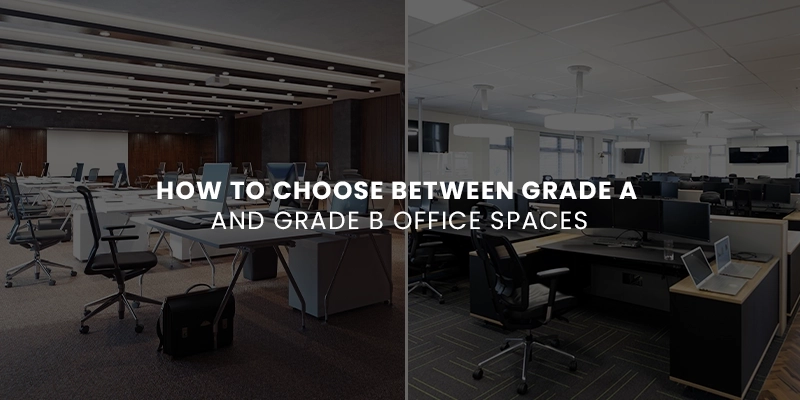
Choosing the right office space is one of the most important decisions for any business. While location and rental costs often influence the final choice, understanding the difference between Grade A and Grade B office spaces can help businesses make a smarter investment. Each type of office offers unique advantages depending on your budget, operational requirements, and long term business goals.
Knowing how to choose between Grade A and Grade B office spaces allows startups, SMEs, and established companies to find a workspace that balances cost, functionality, and future growth. Instead of selecting an office based only on rental price, businesses should compare the overall value offered by each category.
Before choosing an office, evaluate the following:
Key factors to compare
- Office location
- Rental costs
- Building quality
- Available amenities
- Business image
- Maintenance services
- Parking facilities
- Future expansion options
Comparing these factors helps businesses identify the office space that best supports their daily operations and growth plans.
What Are Grade A and Grade B Office Spaces?
Understanding the basic difference between Grade A and Grade B office spaces is the first step in making the right leasing decision.
Grade A office spaces generally offer
- Premium business locations
- Modern building design
- High quality infrastructure
- Advanced security systems
- Professional facility management
- Premium amenities
Grade B office spaces generally offer
- Affordable rental costs
- Functional office layouts
- Good accessibility
- Basic facilities
- Suitable infrastructure
- Lower operating expenses
Both options serve different business needs depending on budget and operational priorities.
Why Should Businesses Compare Office Infrastructure Instead of Rent?
Many businesses choose offices based only on monthly rent. However, infrastructure often has a greater impact on employee productivity and daily business operations.
Infrastructure features to compare
- Internet connectivity
- Power backup
- Air conditioning
- Elevators
- Meeting rooms
- Reception services
A well equipped office reduces operational disruptions and creates a better working environment for employees.
How Does Office Location Influence Your Decision?
Location plays a significant role in business visibility, employee convenience, and customer accessibility. Grade A buildings are usually located in established commercial districts, while Grade B offices may be situated in emerging business areas.
Evaluate location based on
- Public transport
- Road connectivity
- Parking availability
- Nearby restaurants
- Banking facilities
- Business ecosystem
The right location improves accessibility while enhancing your company's professional image.
Which Office Type Offers Better Value for Money?
Choosing between Grade A and Grade B offices should involve evaluating overall value instead of simply comparing rental prices.
Consider total costs such as
- Monthly rent
- Maintenance charges
- Utility expenses
- Parking fees
- Office setup costs
- Facility management charges
Sometimes a Grade A office provides better long term value because many services are included, reducing additional operational expenses.
Why Are Office Amenities Important for Business Growth?
Modern office amenities contribute to employee satisfaction and improve the overall workplace experience.
Important amenities include
- Meeting rooms
- Conference facilities
- Cafeteria
- Housekeeping
- Security
- Visitor lounge
- Reception area
- Breakout spaces
Businesses should choose an office that supports both employee productivity and client interactions.
How Should Your Business Budget Influence the Choice?
Budget is one of the most important considerations when leasing an office. Startups and SMEs often prioritize affordability, while larger organizations may focus more on brand image and infrastructure.
Before deciding, calculate
- Total occupancy cost
- Annual rental expense
- Security deposit
- Maintenance charges
- Technology investment
- Future expansion costs
Selecting an office within your budget ensures financial stability while supporting business operations.
Why Should You Consider Future Business Expansion?
The office you lease today should continue supporting your business as it grows. Relocating frequently can increase operational costs and disrupt business activities.
Look for offices that offer
- Additional workspace
- Flexible lease options
- Expandable office layouts
- Shared meeting rooms
- Scalable infrastructure
- Business support services
Planning for future growth helps businesses avoid unnecessary relocation expenses.
How Can You Decide Between Grade A and Grade B Office Spaces?
There is no universal answer when choosing between Grade A and Grade B office spaces. The right decision depends on your business objectives, operational requirements, and financial capacity.
Ask yourself these questions
- What is my office budget?
- Do I need premium amenities?
- Will clients visit frequently?
- Is future expansion important?
- Do employees need excellent connectivity?
- Which option offers better long term value?
Answering these questions makes it easier to choose an office that aligns with your business goals.
Conclusion
Understanding how to choose between Grade A and Grade B office spaces helps businesses make confident leasing decisions based on more than just rental costs. While Grade A offices offer premium infrastructure, modern amenities, and prestigious locations, Grade B offices provide affordable and practical solutions for businesses looking to optimize costs.
The best office is one that aligns with your operational needs, budget, employee expectations, and future growth plans. Whether you're looking for a premium Grade A workspace or a cost effective Grade B office, The Office Address helps businesses discover office spaces that deliver the right balance of value, functionality, and long term success.