How Smart Access Control Improves Office Security
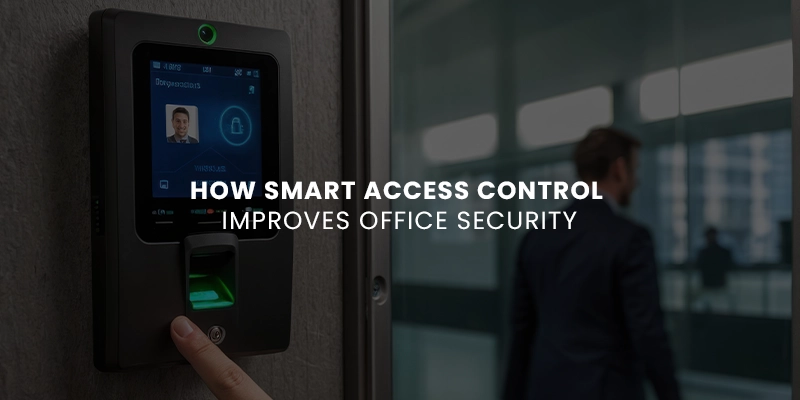
Workplace security has become a top priority for businesses of all sizes. As offices become more connected and hybrid work models continue to evolve, traditional lock-and-key systems are no longer sufficient to protect employees, assets, and sensitive business information. Smart access control systems are transforming office security by offering intelligent, contactless, and data-driven solutions that provide greater control over who enters a workplace and when.
Modern commercial office buildings and managed office spaces are increasingly adopting smart access technologies to improve safety, simplify visitor management, and enhance the overall employee experience. Whether you're setting up a new office or upgrading an existing one, investing in smart access control is an essential step toward building a secure and future-ready workplace.
What Is Smart Access Control?
Smart access control is a security system that uses digital technologies instead of traditional keys to manage entry into office buildings and restricted areas.
Modern access control solutions include:
- Biometric authentication
- Mobile access credentials
- RFID access cards
- Facial recognition
- QR code entry
- PIN-based authentication
- Cloud-based access management
- Contactless entry systems
These technologies improve both security and convenience for employees and visitors.
What is Strengthens the Workplace Security
Smart access control provides businesses with greater visibility and control over workplace access.
It helps organizations:
- Prevent unauthorized entry
- Secure restricted areas
- Monitor employee access
- Protect sensitive information
- Improve emergency response
- Reduce security risks
A digitally controlled workplace significantly reduces vulnerabilities compared to traditional security systems.
How a Contactless Entry Enhances Convenience
Touch-free access has become increasingly important in modern workplaces.
Contactless systems allow employees to enter using:
- Mobile phones
- Smart ID cards
- Biometric scanners
- Facial recognition
- QR codes
- Digital credentials
These technologies improve convenience while reducing physical contact with shared surfaces.
Ways of Real-Time Access Monitoring?
One of the biggest advantages of smart access systems is real-time visibility.
Businesses can monitor:
- Entry and exit times
- Visitor movement
- Employee attendance
- Restricted area access
- Security alerts
- Access history
This information helps facility managers maintain a secure and well-managed workplace.
Better Visitor Management
Managing office visitors manually can be time-consuming and less secure.
Smart visitor management systems enable:
- Digital visitor registration
- QR-based visitor access
- Identity verification
- Host notifications
- Temporary access permissions
- Visitor activity tracking
These features create a professional and secure experience for guests.
Who gonna Protects the Sensitive Business Areas
Not every employee requires access to every part of the office.
Smart access control helps secure:
- Server rooms
- Executive offices
- Finance departments
- Data centers
- Research facilities
- Confidential meeting rooms
Businesses can assign customized access permissions based on employee roles and responsibilities.
Improves Employee Safety
Employee safety is a critical aspect of workplace management.
Smart access systems contribute by:
- Restricting unauthorized visitors
- Monitoring building occupancy
- Supporting emergency evacuation
- Providing instant lockdown capabilities
- Improving incident response
- Enhancing workplace confidence
Employees feel more secure knowing that workplace access is carefully monitored.
Supports Hybrid Workplaces
Hybrid work has increased the need for flexible office access.
Smart systems allow businesses to:
- Manage rotating teams
- Schedule workspace access
- Control occupancy levels
- Support flexible working hours
- Enable remote access management
- Track office usage
These capabilities help organizations efficiently manage modern workplace operations.
Cloud-Based Access Management
Many smart access platforms operate through cloud technology.
Cloud-based systems offer:
- Remote administration
- Instant permission updates
- Centralized security management
- Multi-location access control
- Real-time reporting
- Automatic software updates
Businesses with multiple offices benefit from managing security across locations through a single platform.
Integration with Smart Office Technology
Smart access control works seamlessly with other building technologies.
It can integrate with:
- CCTV surveillance
- Smart lighting systems
- Building management systems
- Occupancy sensors
- Visitor management platforms
- Workplace analytics
This creates a connected and intelligent office environment that enhances both security and operational efficiency.
Why Managed Offices Use Smart Access Control
Premium managed office providers prioritize workplace security through advanced access technologies.
Many managed office spaces include:
- Contactless building entry
- Biometric authentication
- Smart visitor management
- Digital access credentials
- 24/7 monitored security
- CCTV integration
- Cloud-based access management
- Secure meeting room access
These ready-to-use security solutions allow businesses to operate in a safe and professionally managed environment without investing in expensive security infrastructure.
Whatc are the Benefits of Smart Access Control
Businesses that implement intelligent access systems experience several long-term advantages.
Key benefits include:
- Enhanced workplace security
- Faster employee access
- Better visitor management
- Improved employee safety
- Reduced unauthorized entry
- Real-time access monitoring
- Flexible access permissions
- Stronger compliance
- Seamless integration with smart offices
- Future-ready workplace infrastructure
Smart access control protects people, property, and business operations while improving workplace efficiency.
These are the Smart Access Control Checklist
When selecting a modern office building, ensure it offers:
- Contactless entry systems
- Biometric authentication
- Mobile access credentials
- Visitor management software
- Cloud-based access control
- CCTV integration
- Emergency lockdown capability
- Role-based access permissions
- Real-time security monitoring
- Integration with smart building systems
These features help businesses create a secure, efficient, and technologically advanced workplace.
Conclusion
Smart access control has become an essential component of modern office security. By replacing traditional lock-and-key systems with intelligent digital solutions, businesses can strengthen workplace security, simplify visitor management, improve employee safety, and gain greater control over office access. These systems not only protect valuable assets but also contribute to a seamless and professional workplace experience.
As commercial office spaces continue to embrace digital transformation, smart access control will remain a key investment for organizations seeking secure, efficient, and future-ready workplaces. Whether you're leasing a managed office or developing your own corporate headquarters, implementing smart access technology is a strategic step toward building a safer and smarter office environment.