Furnished vs Unfurnished Office Space: Which Saves More?
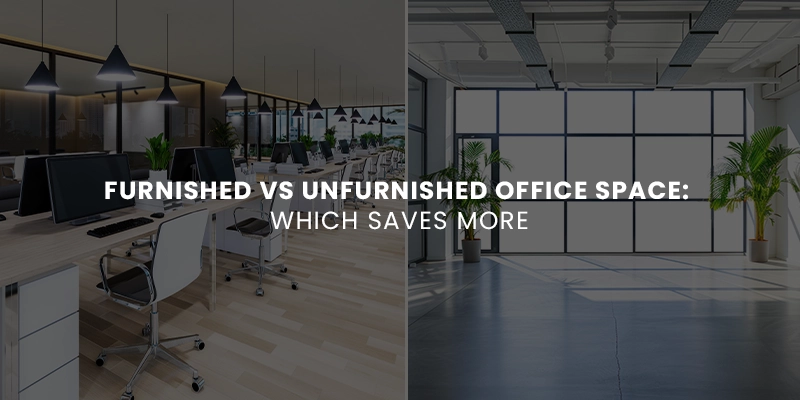
Choosing the right office space is one of the most important decisions for any business. While location and rent are often the first factors companies consider, the choice between a furnished and an unfurnished office can significantly impact both short term expenses and long term operational costs. Each option offers unique advantages depending on your budget, business size, and growth plans.
Understanding furnished vs unfurnished office space: which saves more helps businesses make smarter leasing decisions while avoiding unnecessary investments. Whether you are a startup looking for a quick office setup or an established company planning a customized workspace, evaluating the total cost of occupancy is essential before signing a lease.
Before choosing an office, compare the following:
Key factors to evaluate
- Initial investment
- Monthly rental cost
- Furniture expenses
- Setup time
- Maintenance requirements
- Business flexibility
- Employee comfort
- Long term business goals
Looking beyond the monthly rent allows businesses to identify the option that offers better value over time.
What Is the Difference Between Furnished and Unfurnished Office Space?
Before comparing costs, it is important to understand what each office type includes. The facilities provided directly influence your setup expenses and the time required to begin operations.
Furnished office spaces usually include
- Workstations
- Office chairs
- Meeting rooms
- Reception furniture
- Internet connectivity
- Pantry facilities
Unfurnished office spaces generally include
- Empty office layout
- Basic electrical fittings
- Air conditioning
- Flooring
- Lighting
- Washroom facilities
Knowing what is included helps businesses estimate the additional investment required before moving into the office.
Why Do Furnished Office Spaces Reduce Initial Costs?
One of the biggest advantages of a furnished office is that businesses can begin operations immediately without purchasing furniture or office equipment.
Businesses can save on
- Office desks
- Chairs
- Storage cabinets
- Meeting tables
- Reception furniture
- Interior decoration
Although furnished offices may have slightly higher monthly rent, they often eliminate significant upfront expenses and reduce setup time.
How Can Unfurnished Office Spaces Increase Initial Investment?
An unfurnished office provides businesses with complete freedom to design the workspace according to their preferences. However, customization requires additional spending before employees can start working.
Common setup expenses include
- Furniture purchases
- Interior design
- Workstation installation
- Conference room setup
- Branding
- IT infrastructure
- Storage solutions
- Office equipment
For businesses with limited budgets, these expenses can considerably increase the total cost of occupancy.
Which Option Offers Greater Flexibility for Businesses?
Different businesses have different workspace requirements. The right choice depends on operational priorities, business model, and future expansion plans.
Furnished offices are ideal for
- Startups
- Small businesses
- Remote teams
- Project based companies
- Businesses needing immediate occupancy
Unfurnished offices are suitable for
- Large enterprises
- Companies with unique layouts
- Long term office users
- Businesses requiring customized branding
Choosing an office that aligns with your business objectives improves operational efficiency while avoiding unnecessary expenses.
How Do Maintenance Costs Compare Between Both Options?
Maintenance responsibilities can vary depending on the office type and lease agreement. Businesses should understand these costs before making a decision.
Furnished office maintenance may include
- Furniture upkeep
- Facility management
- Housekeeping
- Internet maintenance
- Reception services
- Security
Unfurnished office maintenance may include
- Furniture repairs
- Equipment servicing
- Interior maintenance
- Vendor management
- Utility management
- Office upgrades
Understanding these responsibilities helps businesses estimate long term operational expenses more accurately.
Which Office Type Supports Faster Business Growth?
Growing businesses often require flexibility to add workstations or expand office capacity without major disruptions.
Furnished offices offer
- Quick expansion
- Ready to use workstations
- Flexible lease options
- Shared facilities
- Minimal downtime
- Faster relocation
Unfurnished offices offer
- Customized expansion
- Complete design control
- Permanent office layouts
- Brand focused interiors
- Dedicated office environment
Businesses should choose the option that best supports their expected growth over the coming years.
How Should You Calculate the Total Cost Before Leasing?
Comparing only the monthly rent may result in an inaccurate financial assessment. Businesses should calculate the complete occupancy cost before selecting an office.
Include the following expenses
- Monthly rent
- Security deposit
- Furniture costs
- Maintenance charges
- Utility bills
- Internet expenses
- Interior setup
- Future upgrade costs
A complete cost comparison helps businesses determine which office type provides better long term value.
How Can You Decide Between Furnished and Unfurnished Office Space?
There is no single solution that suits every business. The best option depends on your financial capacity, operational requirements, and future expansion plans.
Ask yourself these questions
- Do I need an office immediately?
- Can I invest in furniture?
- Will my team grow quickly?
- Do I require customized interiors?
- What is my total office budget?
- Which option reduces my long term costs?
Answering these questions makes it easier to select a workspace that supports both current operations and future business growth.
Conclusion
Understanding furnished vs unfurnished office space: which saves more requires looking beyond the rental price. Furnished offices help businesses reduce setup time and initial investment, making them ideal for startups and growing companies. Unfurnished offices provide greater customization and may be better suited for businesses planning a long term office presence with specific design requirements. The right office should align with your budget, operational needs, and future business plans. Whether you are looking for a fully furnished office, a managed workspace, or an unfurnished commercial office, The Office Address helps businesses find office spaces that offer the right balance of flexibility, functionality, and value.