Creating Inclusive Office Spaces for a Diverse Workforce
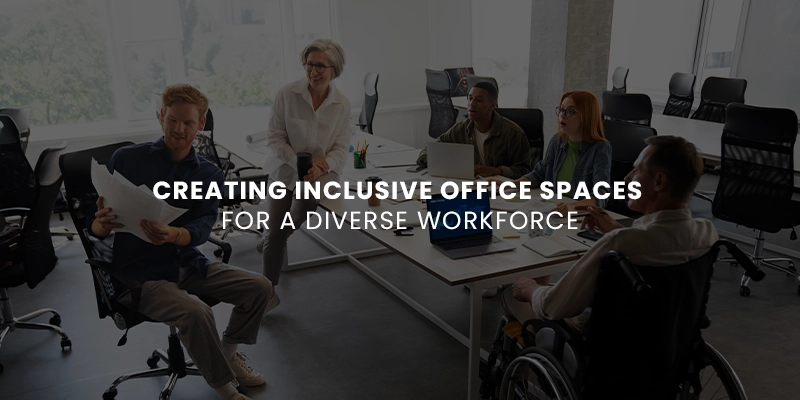
Today's workplace is more diverse than ever before. Organizations are bringing together people from different backgrounds, cultures, generations, abilities, and work styles, making inclusivity an essential part of modern office design. Creating an inclusive office space goes beyond meeting accessibility standards it involves designing an environment where every employee feels welcomed, respected, comfortable, and empowered to do their best work.
As businesses compete for top talent and prioritize employee experience, inclusive workspaces have become a strategic advantage. From accessible infrastructure and flexible workstations to wellness facilities and collaborative spaces, an inclusive office fosters innovation, strengthens company culture, and improves employee satisfaction.
Why Do Inclusive Office Spaces Matter?
An inclusive workplace enables employees to perform confidently regardless of their background or abilities.
Businesses that invest in inclusive office design can:
- Improve employee engagement
- Strengthen workplace collaboration
- Enhance employee well-being
- Attract diverse talent
- Increase employee retention
- Foster innovation
- Build a positive company culture
An inclusive office creates an environment where everyone has the opportunity to succeed.
What Makes an Office Truly Accessible?
Accessibility is the foundation of an inclusive workplace.
Modern offices should include:
- Step-free entrances
- Wheelchair-accessible pathways
- Elevators with accessible controls
- Accessible restrooms
- Wider doorways
- Reserved accessible parking
These features ensure employees and visitors can move comfortably throughout the workplace.
Can Flexible Workspaces Meet Everyone's Needs?
Every employee has different work preferences and responsibilities.
Flexible office layouts may include:
- Adjustable workstations
- Quiet focus rooms
- Collaborative spaces
- Standing desks
- Private meeting rooms
- Hybrid work zones
Providing multiple workspace options allows employees to choose environments that best support their productivity.
Why Should Collaboration Spaces Be Designed for Everyone?
Collaboration should be accessible and comfortable for everyone.
Well-designed collaboration spaces feature:
- Spacious seating arrangements
- Accessible meeting rooms
- Digital collaboration tools
- Comfortable furniture
- Acoustic solutions
- Inclusive room layouts
These spaces encourage teamwork while accommodating different working styles.
Are Wellness Spaces Essential in Inclusive Offices?
Inclusive workplaces recognize that employee well-being extends beyond physical health.
Modern offices should provide:
- Wellness rooms
- Meditation spaces
- Lactation rooms
- Quiet relaxation areas
- Natural lighting
- Indoor greenery
Wellness-focused environments help employees feel supported throughout the workday.
What Helps Employees Navigate the Workplace Easily?
Easy navigation helps employees and visitors feel more comfortable in the workplace.
Consider incorporating:
- Clear directional signage
- Universal symbols
- Braille signage where applicable
- Digital visitor guidance
- Well-marked emergency exits
- Logical office layouts
Simple navigation reduces confusion and improves accessibility.
Does Ergonomic Furniture Improve Workplace Inclusion?
Comfortable furniture supports employees with different physical needs and working preferences.
Essential ergonomic features include:
- Height-adjustable desks
- Ergonomic chairs
- Adjustable monitor stands
- Footrests
- Flexible seating arrangements
- Proper workstation spacing
Ergonomic workspaces reduce fatigue and improve overall productivity.
How Can Technology Make Offices More Inclusive?
Technology plays a vital role in creating an inclusive workplace.
Modern offices can benefit from:
- Voice-enabled meeting systems
- Automatic doors
- Smart lighting controls
- Hearing assistance technology
- Digital room booking systems
- Video conferencing solutions
Technology ensures employees can collaborate effectively regardless of their working style or location.
Can Office Design Promote Cultural Inclusion?
A diverse workforce benefits from environments that reflect inclusivity and belonging.
Businesses can encourage cultural inclusion by:
- Displaying inclusive artwork
- Creating multicultural celebration spaces
- Offering gender-neutral facilities
- Designing welcoming common areas
- Supporting flexible holiday policies
- Encouraging collaborative social spaces
An inclusive office reinforces respect and belonging for all employees.
Why Is Workplace Flexibility Important for Inclusion?
Inclusive workplaces recognize that flexibility benefits employees with varying responsibilities and lifestyles.
Businesses should provide:
- Hybrid workstations
- Shared desks
- Video-enabled meeting rooms
- Remote collaboration technology
- Flexible seating arrangements
- Multi-purpose workspaces
Hybrid-friendly offices help employees maintain productivity regardless of where they work.
Why Managed Offices Support Inclusive Workplaces
Managed office providers increasingly design spaces that meet the needs of modern, diverse businesses.
Many managed office spaces offer:
- Accessible office layouts
- Flexible workspace configurations
- Wellness amenities
- Ergonomic furniture
- Smart office technology
- Collaborative meeting rooms
- Professional reception services
- High-speed internet
- Secure access systems
- Sustainable office environments
These features allow businesses to create inclusive workplaces without investing in expensive infrastructure upgrades.
What Benefits Do Inclusive Office Spaces Deliver?
Organizations that prioritize inclusivity experience meaningful long-term benefits.
These include:
- Higher employee satisfaction
- Improved collaboration
- Greater workplace innovation
- Increased employee retention
- Better talent attraction
- Stronger company culture
- Enhanced productivity
- Improved employee well-being
- Positive employer branding
- Sustainable business growth
An inclusive workplace creates value for both employees and the organization.
Is Your Office Designed for Everyone?
When selecting or designing an office, ensure it provides:
- Accessible entrances and pathways
- Ergonomic workstations
- Flexible office layouts
- Wellness spaces
- Inclusive meeting rooms
- Clear signage
- Smart accessibility technology
- Hybrid work infrastructure
- Comfortable collaboration areas
- Sustainable workplace design
Choosing an office with these features helps create a workplace where every employee can contribute confidently and comfortably.
Conclusion
Creating an inclusive office space is no longer just a workplace trend it is a business necessity. As organizations become more diverse, office environments must evolve to support employees with different abilities, backgrounds, and working styles. Inclusive office design improves accessibility, strengthens collaboration, enhances employee well-being, and fosters a culture of belonging.
Whether you're planning a new office or moving into a managed workspace, investing in inclusive design benefits both your employees and your business. By combining accessibility, flexibility, technology, and wellness-focused features, companies can create workplaces where everyone feels valued, empowered, and equipped to succeed.