A Beginner’s Guide to Leasing Commercial Office Space
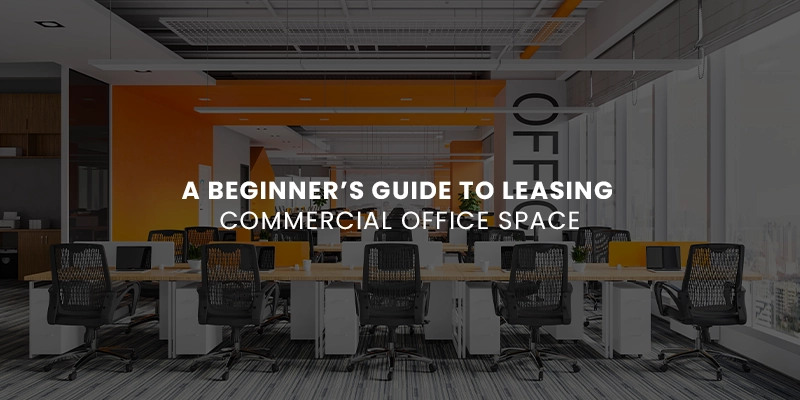
Leasing commercial office space is a major milestone for any growing business. Whether you're a startup setting up your first office or a company planning to expand, the process can feel confusing. Understanding your needs, budget, location preferences, and lease terms will help you make a confident and smart decision. This beginner-friendly guide breaks down every essential step in a simple, practical way.
Understanding Your Business Needs
Before exploring office listings, you need a clear picture of what your business actually requires. Start by evaluating your current team strength and how much you expect it to grow in the next few years. This helps you avoid selecting a space that becomes too small too quickly, or one that feels unnecessarily large.
Your work model also plays a big role. Companies with hybrid teams generally require less fixed seating compared to fully in-office setups. Apart from desks, think about the additional work zones your team needs, such as:
- Meeting rooms
- Private cabins
- Collaboration areas
- Breakout zones
Having a defined requirement list keeps your search focused and efficient.
Choosing the Right Location
Location is one of the biggest factors that influence employee satisfaction and client perception. An ideal location should offer smooth connectivity for daily commuters and easy access for visitors. Proximity to public transport, major roads, and important business hubs can make daily operations far easier.
The surroundings matter too. A workspace near cafés, restaurants, banks, and parking facilities ensures better convenience for your team. Additionally, being in a prime business area adds to your brand’s visibility and credibility, something especially useful for client-driven businesses.
Setting a Realistic Budget
Commercial leasing involves several costs beyond the base rent. While comparing properties, look at the complete financial picture. Apart from monthly rent, consider expenses like:
- Maintenance charges
- Electricity and power backup
- Parking fees
- Security services
- Housekeeping
- Interior design and fit-out
Most commercial spaces also require a security deposit, often ranging from several months of rent. Annual rent escalations are common too, so plan for future increases while setting your budget.
Exploring Types of Office Spaces
Not all offices are the same, and choosing the right format can significantly impact efficiency and cost. Managed office spaces are an excellent option for businesses that prefer a plug-and-play setup. They come furnished, serviced, and fully ready to move in.
Traditional leased offices, on the other hand, give you the freedom to design interiors based on your brand and workflow. They’re suitable for businesses seeking long-term stability and customization. Coworking spaces are a more flexible alternative, offering private cabins and shared amenities ideal for startups, freelancers, and small teams.
Evaluating Amenities & Building Infrastructure
A good office has more than four walls. The right amenities can enhance productivity, comfort, and safety. Make sure the building offers essentials like high-speed internet, power backup, and meeting rooms. Security features such as CCTV, access control, and fire safety systems are non-negotiable.
Also check convenience features such as:
- Parking availability
- Elevator capacity
- Pantry areas
- Natural lighting and ventilation
These factors contribute significantly to everyday comfort.
Inspecting the Property Thoroughly
Never finalize a space without visiting it in person. A physical inspection helps you understand what online listings cannot show. Observe the quality of maintenance, lighting, ventilation, and overall building condition. Check noise levels both inside and around the property to ensure a productive environment.
Evaluate how the building functions during peak hours, look at elevator wait times, parking usage, and common area activity. These practical details often impact your team more than you may expect.
Understanding the Lease Agreement
Lease documents can be detailed, so take time to review them carefully. Look out for points like lock-in period, notice period, rent escalation percentage, and renewal options. Clarify who handles maintenance and repairs to avoid future confusion. If needed, seek legal advice to ensure the agreement is transparent and fair.
Conclusion
Leasing commercial office space doesn’t have to be complicated. With clarity on your requirements, budget, and location preferences, and a good understanding of lease terms, you can confidently choose a space that supports your team’s growth and efficiency.
The Office Address makes this journey easier by offering curated office solutions and expert guidance tailored to your business.